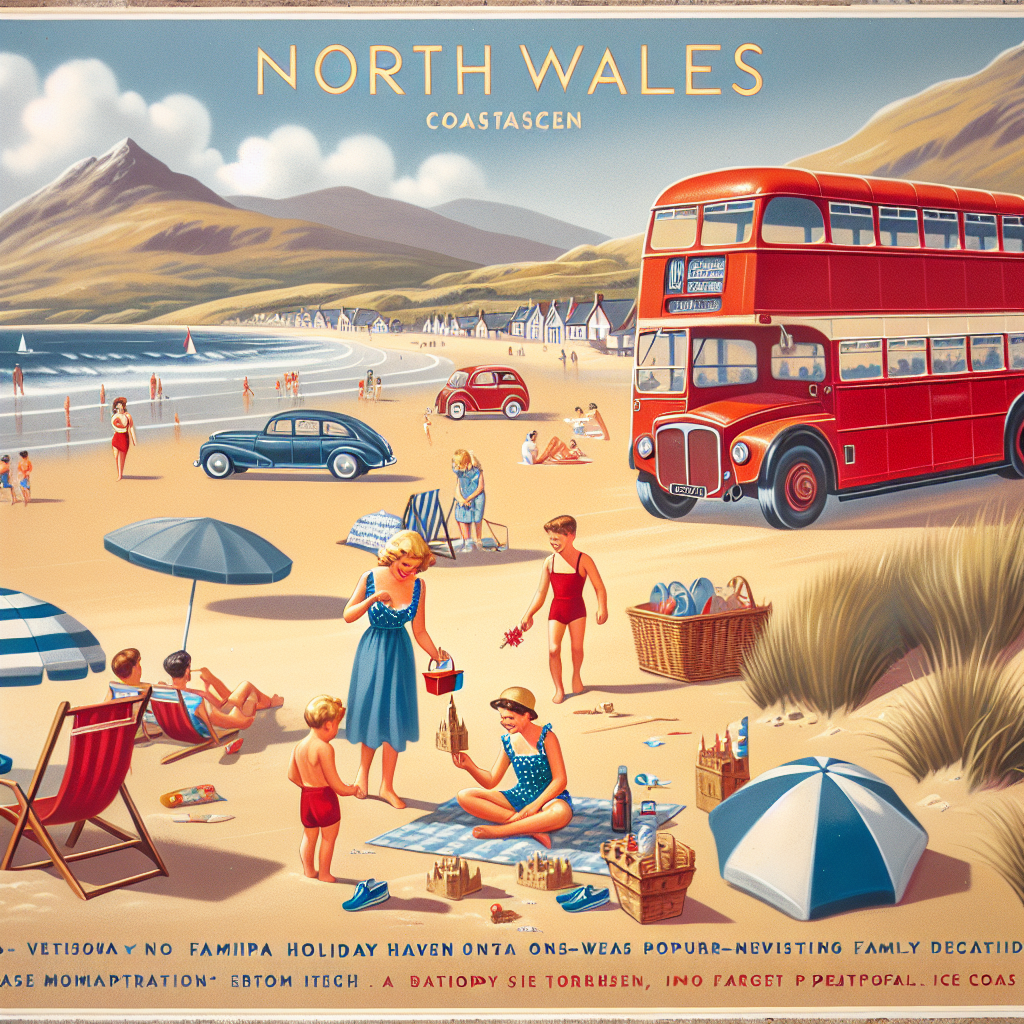
Once a beloved seaside escape for families from Greater Manchester, a quiet corner of North Wales now holds memories of a bygone era — one where double-decker buses served not as transportation, but as makeshift holiday homes. This unique stretch of the coast once bustled with vacationers eager for a low-cost but memorable break by the sea. Yet, the very ingenuity that gave it character eventually contributed to its decline.
These buses, stripped of wheels and repurposed as holiday lodgings, offered simple shelter for working-class families who couldn’t afford traditional hotels. For many visitors, especially from inner-city Manchester, the fresh sea breeze and rustic charm were enough. Over time, however, what was quaint quickly became untenable. The aging vehicles were neither weatherproof nor structurally sound, leading to health hazards and unsightly decay.
As expectations for holiday standards rose across Britain, the once-thriving resort failed to keep pace. Budget air travel and more accessible European destinations eventually lured visitors away. What remained was a patchwork of rusted buses, deteriorating shacks, and an echo of laughter from better days. By the time local authorities intervened, the area had already been dubbed a “slum by the sea” — a far cry from its optimistic beginnings.
The story of this North Wales retreat mirrors broader social and economic changes across the UK. What had started as grassroots tourism became a striking example of how neglect and lack of infrastructure investment can turn cultural landmarks into embarrassing relics. With appropriate care and creative vision, perhaps the area could have evolved rather than evaporated from public favor.
Today, the site stands as a poignant reminder of the evolving nature of leisure and the fleeting magic of DIY holidays. While some may mock the idea of living in a converted bus on the beach, for those who experienced it, the memories are priceless. It poses an important question for the future: How do we preserve the charm of unconventional holiday traditions while ensuring safety, dignity, and sustainability?
Leave a Reply