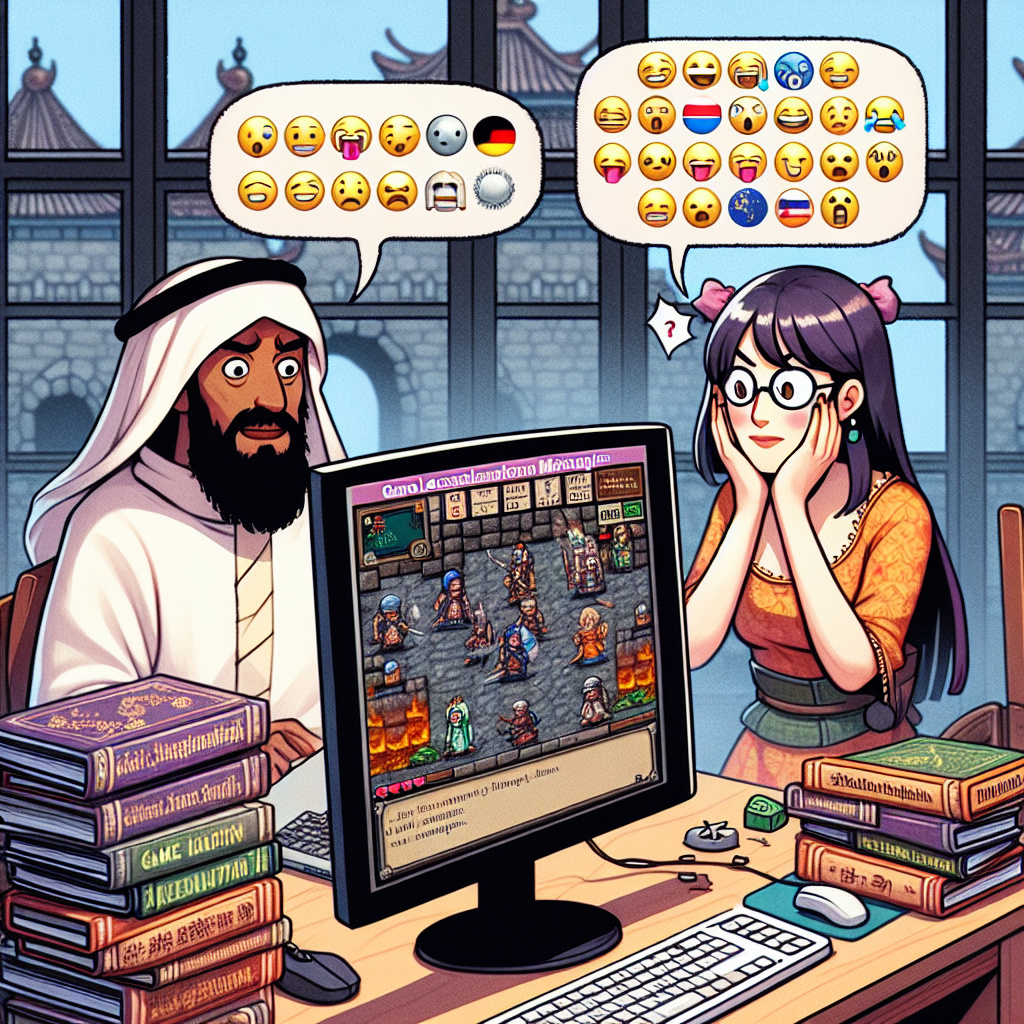
In the ever-evolving world of game localization, sometimes machine translation can lead to hilarious outcomes. Such was the case recently when a dungeon-themed game appeared on Steam Japan under the unfortunate title of ‘Sh***y Dungeon.’ While undoubtedly not the kind of branding the developers were aiming for, the egregious error quickly captured the attention of gamers and industry watchers alike for its comedic bluntness.
This blunder is a prime example of what can go wrong when machine translation is left unchecked. Automated systems, while improving with time, often lack the contextual nuance necessary to distinguish between descriptive adjectives and inappropriate slang. In this instance, what could have been a reference to a gritty or unrefined dungeon environment turned into something unintentional — and unintentionally hilarious. It’s an awkward digital slip-up that underscores the importance of human oversight in localization efforts.
Beyond the humor, this incident shines a light on the cultural and linguistic gaps that emerge in global game publishing. Japan’s gaming audience, known for its attention to detail and immersive experiences, might have found the accidental profanity jarring or off-putting. Meanwhile, international gamers saw instant meme potential. It serves as a reminder that localizing isn’t just about language — it’s about capturing tone, meaning, and audience expectations.
The silver lining? The game likely received far more publicity than it otherwise would have. In today’s internet-driven culture, even mistakes have a strange way of turning into marketing gold. The unexpected exposure might just boost downloads as curious gamers seek out the title for themselves. Drama and comedy often travel faster than carefully curated PR campaigns, and this snafu is no exception.
Ultimately, this incident is both a cautionary tale and a source of levity in the often-stressful world of game development. It illustrates the growing pains of an industry increasingly reliant on automation for global reach. More importantly, it underscores the value of human input in preserving nuance while expanding across linguistic boundaries — a lesson every developer would do well to remember before clicking ‘publish.’
Leave a Reply